

Outdoor LED lighting is a well-liked and energy-efficient selection for illuminating outdoor areas corresponding to gardens, patios, pathways, driveways, and industrial out of doors areas. It presents a range of advantages and can enhance both the aesthetics and security of outside environments. Here are some key concerns for outdoor LED lighting:
Energy Efficiency:
Outdoor LED fixtures consume significantly less electrical energy than traditional out of doors lighting choices like incandescent or halogen bulbs. This ends in energy savings and decreased operating costs.
Longevity:
LED outdoor lights have a protracted lifespan, usually lasting 25,000 to 50,000 hours or extra. This means fewer replacements are needed, lowering maintenance efforts and costs.
Durability:
LEDs are solid-state lighting gadgets, making them highly immune to shock, vibrations, and harsh climate situations. They are suitable for outdoor use and may face up to rain, snow, and excessive temperatures.
Instant Lighting:
LEDs provide instant illumination without the warm-up time required by another lighting technologies. This is particularly necessary for outdoor safety lighting.
Flexibility:
LED outdoor lighting comes in a selection of fixtures, together with floodlights, wall-mounted fixtures, pathway lights, and string lights. This allows for flexibility in designing and customizing outside lighting schemes.
Color Temperature Options:
LEDs are available in numerous shade temperatures, from heat white (providing a comfortable, yellowish light) to cool white (offering a shiny, bluish-white light). The alternative of colour temperature can create different moods and aesthetics.
Motion Sensors and Timers:
Many outdoor LED fixtures are geared up with motion sensors and timers. Motion-activated lighting can enhance security by deterring intruders, while timers can automate lighting schedules for energy savings.
Solar-Powered LEDs:
Solar-powered LED lights use renewable vitality from the solar and are appropriate for locations without entry to electrical energy. They are often used for panorama lighting and pathway lighting.
Dark Sky-Friendly Fixtures:
To reduce light air pollution and shield the night time sky, consider outside LED fixtures designed to attenuate upward light spill and glare.
Smart Outdoor Lighting:
Some outside LED lighting systems can be integrated into sensible house or constructing automation techniques, allowing for distant control, scheduling, and customization via smartphone apps or voice instructions.
Security Lighting:
LED floodlights with motion sensors are commonly used for out of doors safety lighting, helping to deter trespassers and supply well-lit areas for surveillance.
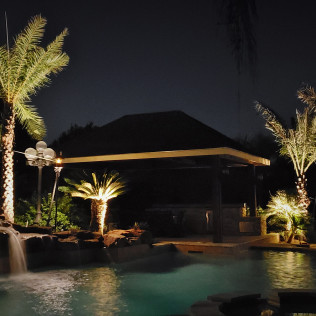
Accent and Landscape Lighting:
LED fixtures are versatile for accent lighting in gardens, alongside walkways, and to spotlight architectural features. They can additionally be used to showcase trees, sculptures, or water features.
Deck and Patio Lighting:
LED strip lights, step lights, and deck-mounted fixtures can create inviting and well-lit out of doors spaces for entertaining or rest.
Commercial and Architectural Lighting:
LED lighting is broadly used for commercial outdoor purposes, including constructing façade lighting, parking zone lighting, and signage.
When planning outdoor LED lighting, think about the meant function, desired ambiance, and safety necessities for the area. https://www.lighttn.com and placement of fixtures are important to attain the desired lighting impact while minimizing glare and light pollution. Additionally, be conscious of local lighting rules and environmental considerations when designing out of doors lighting schemes..