

Every now and then, we keep hearing of the term 'steel metal fabrication'. But have you ever wondered what metal fabricators are employed for? This short article will offer you a glimpse in to the world of fabrication and how it really is fast becoming another big part of metallurgy.
Because the term suggests, fabrication means constructing metal structures using cutting, bending and assembling. The processes of shearing, sawing and chiseling are used for the cutting part. The bending of the metal is performed by hammering or through the use of press brakes that can be done both manually and by using power. Last but not the least, the assembling process is conducted by welding, and attaching them with adhesive, riveting or threaded fasteners.
The metals which are essentially required for steel fabrication are structural steel and sheet metal. Besides these, one also requires welding wires, flux and fasteners to attach the metal cut pieces. For the process of metal fabrication both human labor and automation is required. The final products can be purchased in shops which also focus on metal stamping forging and casting.
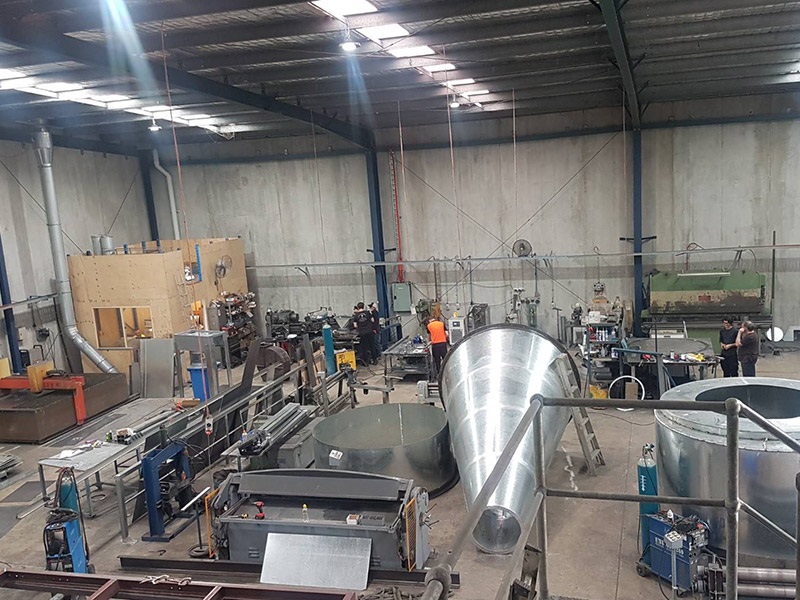
Click here is used in various segments and we will explore various areas where it is extensively used. It really is generally used in fabrication and machine shops which basically deal with metal assembly and preparation. In these shops, metals are dismantled and cut and they also cope with machines and tools. Black smiths also use the procedure for metal fabrication and so do welders to generate weldments. Boiler makers and mill wrights who create saw and grain mills extensively also extensively make full use of metal fabricators. The steel erectors or iron workers use prefabricated segments to be able to initiate the structural work and they are transported to the work site by means of truck and rail where they're installed by the erectors.
The manner of metal fabrication involves changing metals from one form to another. There are many classes of the fabrication process including structural, architectural, ornamental, recreational and artistic. When you are interested in fabricating a metal you have to determine whether it contains iron or is ferrous or whether it's non-ferrous. You will need to pick the appropriate welding instrument which will correspond to the metal which you are likely to fabricate. Before beginning the task you have to prepare a well-laid plan which includes the details relating to rolling, bending and bolting metal pieces together to produce a highly specialized structural good article.