

Indoor LED lighting refers to using LED (Light Emitting Diode) expertise for illuminating the interior areas of homes, offices, industrial buildings, and numerous indoor environments. LED lighting has gained widespread reputation for indoor purposes because of its vitality effectivity, longevity, versatility, and quality of light. Here are some key concerns and advantages of indoor LED lighting:
Benefits of Indoor LED Lighting:
Energy Efficiency:
LED lights are extremely energy-efficient, consuming considerably much less electrical energy in comparison with traditional incandescent and fluorescent lights. This leads to lower energy payments and decreased environmental influence.
Longevity:
LED lights have an exceptionally long lifespan, typically lasting 25,000 to 50,000 hours or more. This reduces the need for frequent replacements, saving each money and time.
Instant Lighting:
LEDs present immediate illumination when turned on, with no warm-up time required. They reach full brightness instantly, making them suitable for purposes the place quick lighting is needed.
Cool Operation:
LEDs emit very little heat in comparability with incandescent and halogen bulbs. This makes them safer to use, especially in enclosed fixtures, and reduces the load on air conditioning methods.
Dimmability:
Many LED fixtures and bulbs are dimmable, allowing users to adjust the brightness to create the desired ambiance and save additional energy when full brightness is not wanted.
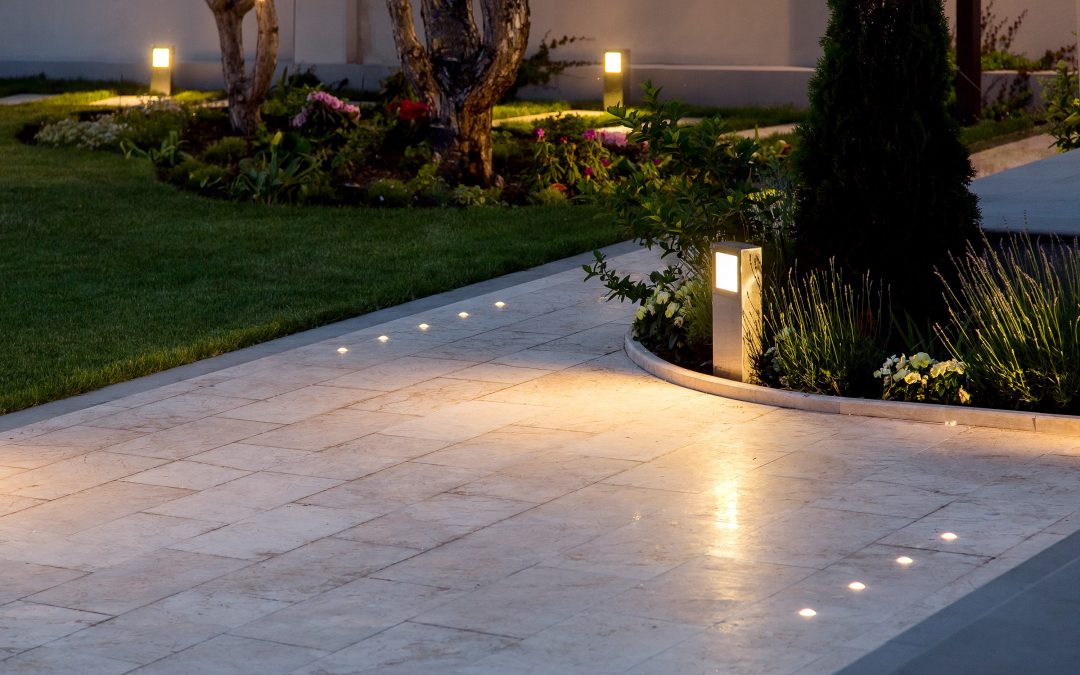
architectural lighting installation :
LEDs are available in numerous shade temperatures, from warm white (providing a comfortable, yellowish light) to cool white (offering a brilliant, bluish-white light). This versatility permits customers to pick lighting that suits their preferences and wishes.
Color Rendering Index (CRI):
LEDs can achieve excessive CRI values, which implies they precisely render colors compared to natural daylight. This is essential for applications where colour accuracy is crucial, similar to in artwork galleries, retail settings, and make-up areas.
Low UV Emissions:
LEDs emit minimal ultraviolet (UV) and infrared (IR) radiation, decreasing the danger of harm to sensitive supplies, materials, and artwork.
Versatility:
LEDs are available in a wide range of fixtures, including recessed downlights, observe lights, pendant lights, strip lights, and more. This permits for flexibility in designing and customizing indoor lighting schemes.
Smart Lighting Integration:
Many indoor LED lighting techniques may be built-in into smart home or building automation techniques. This allows distant control, scheduling, and customization of lighting to fulfill particular wants and preferences.
Task Lighting and Accent Lighting:
LEDs are good for process lighting in kitchens, places of work, and workspaces, providing targeted illumination. They are also used for accent lighting to highlight architectural features, art work, or ornamental parts.
Environmental Benefits:
LED lighting contributes to vitality conservation and lowered greenhouse gasoline emissions because of its low energy consumption and lengthy lifespan. It additionally accommodates no hazardous materials like mercury, which is found in some other types of lighting.
Indoor LED lighting has revolutionized inside lighting design, providing energy-efficient and versatile solutions for a variety of residential and commercial purposes. When choosing indoor LED lighting, consider factors such because the meant function, desired ambiance, colour temperature, and CRI to create a well-lit and comfortable indoor setting..